FAQ
Home automation, answered.
Below are answers to the questions homeowners and project managers ask most often before installing a home automation system.
What is a home automation system and how does it work?
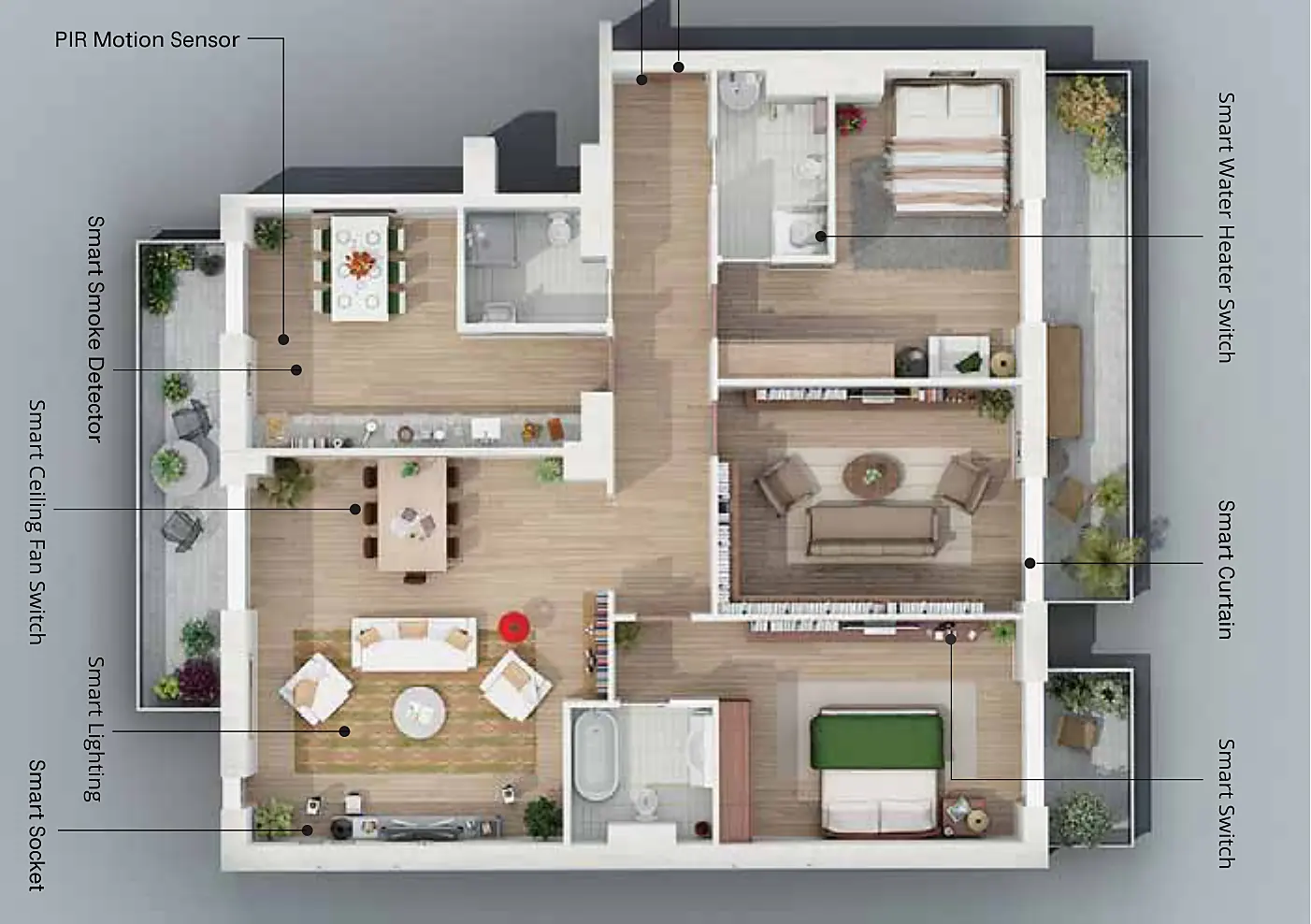
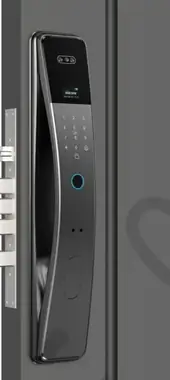
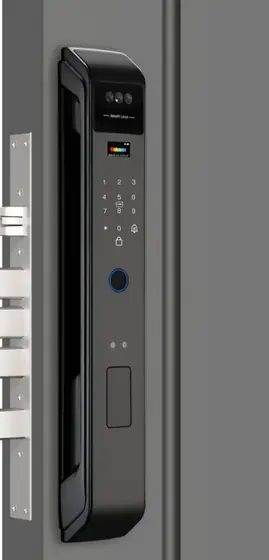
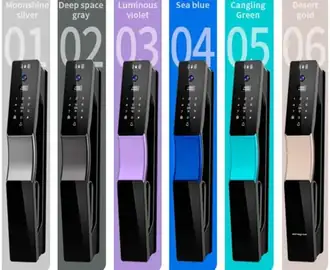
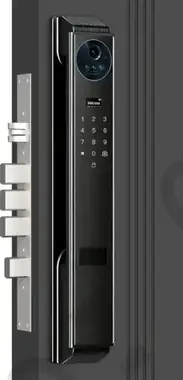
A home automation system brings the lighting, curtains, air conditioning, sockets, door locks and security sensors in your home onto a single network so they can be managed centrally. Devices connect to a gateway using the Zigbee or Wi-Fi protocol, and the gateway reaches the app on your phone over the internet. That gives you control from a wall panel when you are home and from your phone when you are out. The system also runs on scene logic: an event detected by one sensor automatically triggers another device.
Does home automation require renovation work?
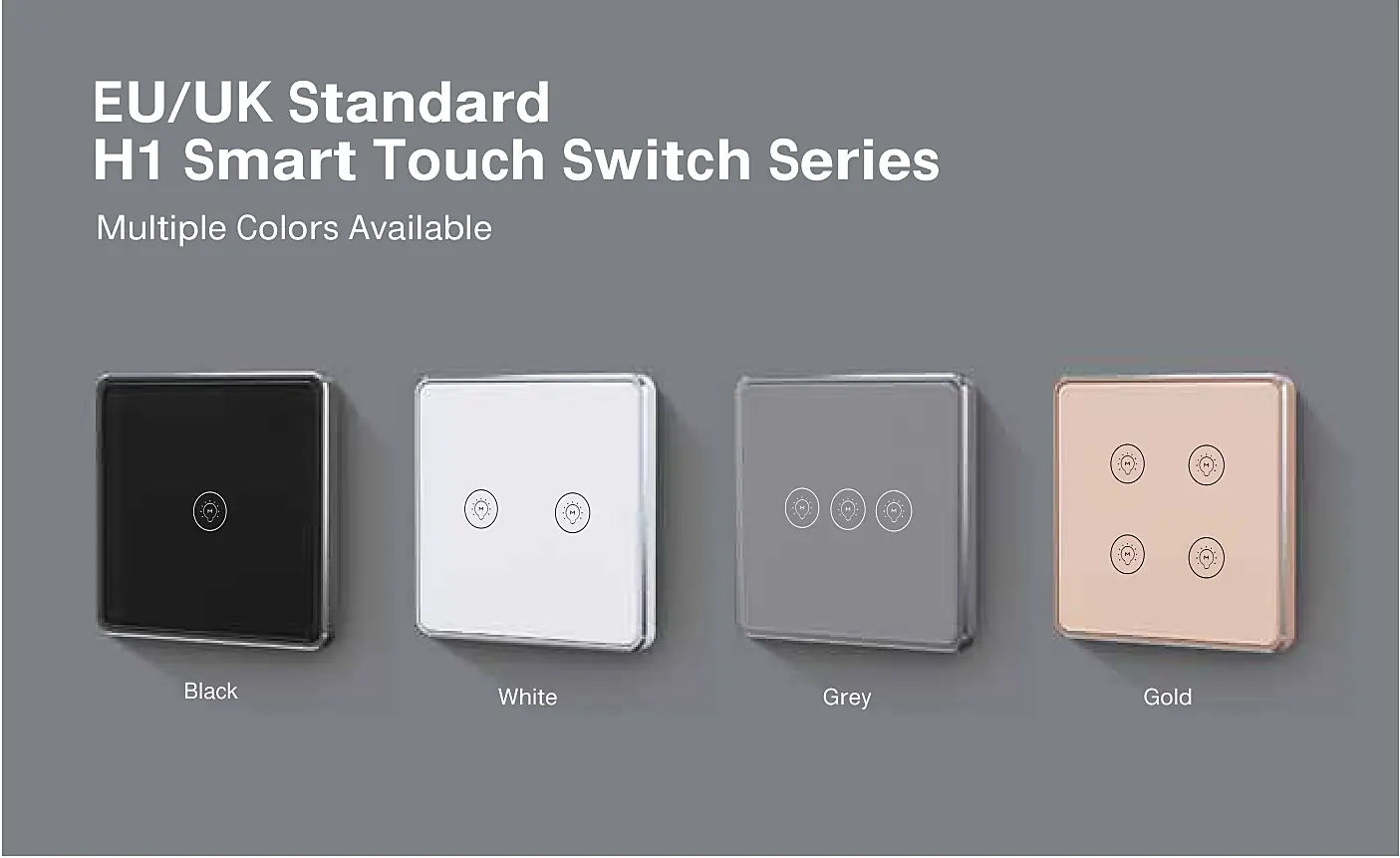
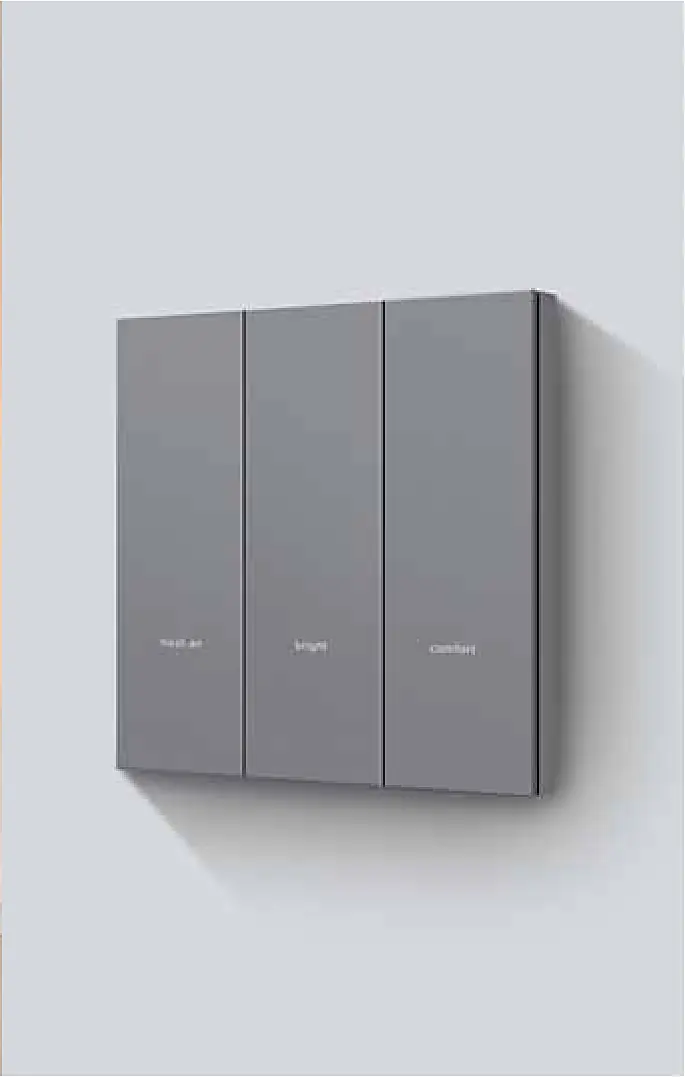
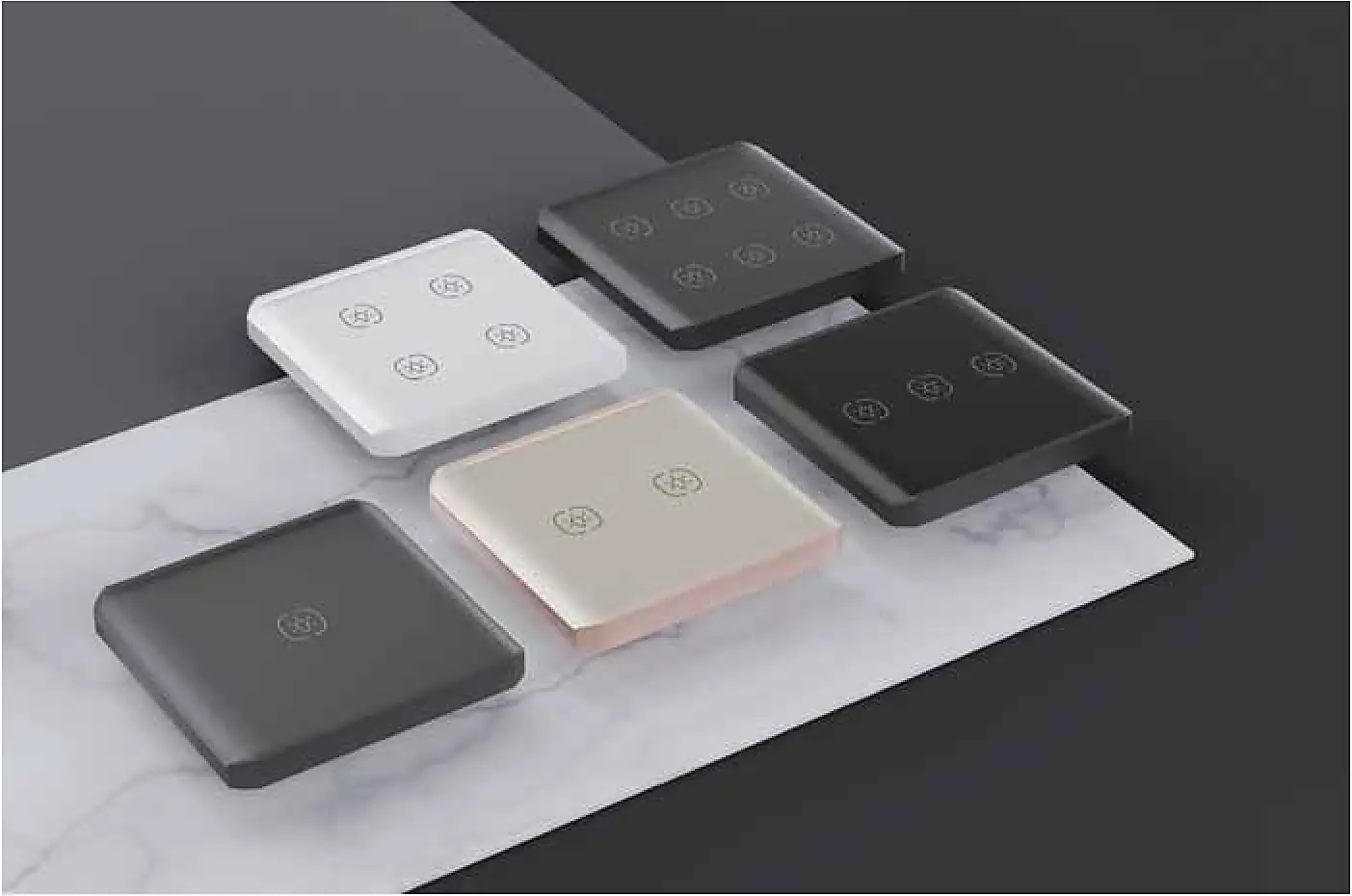
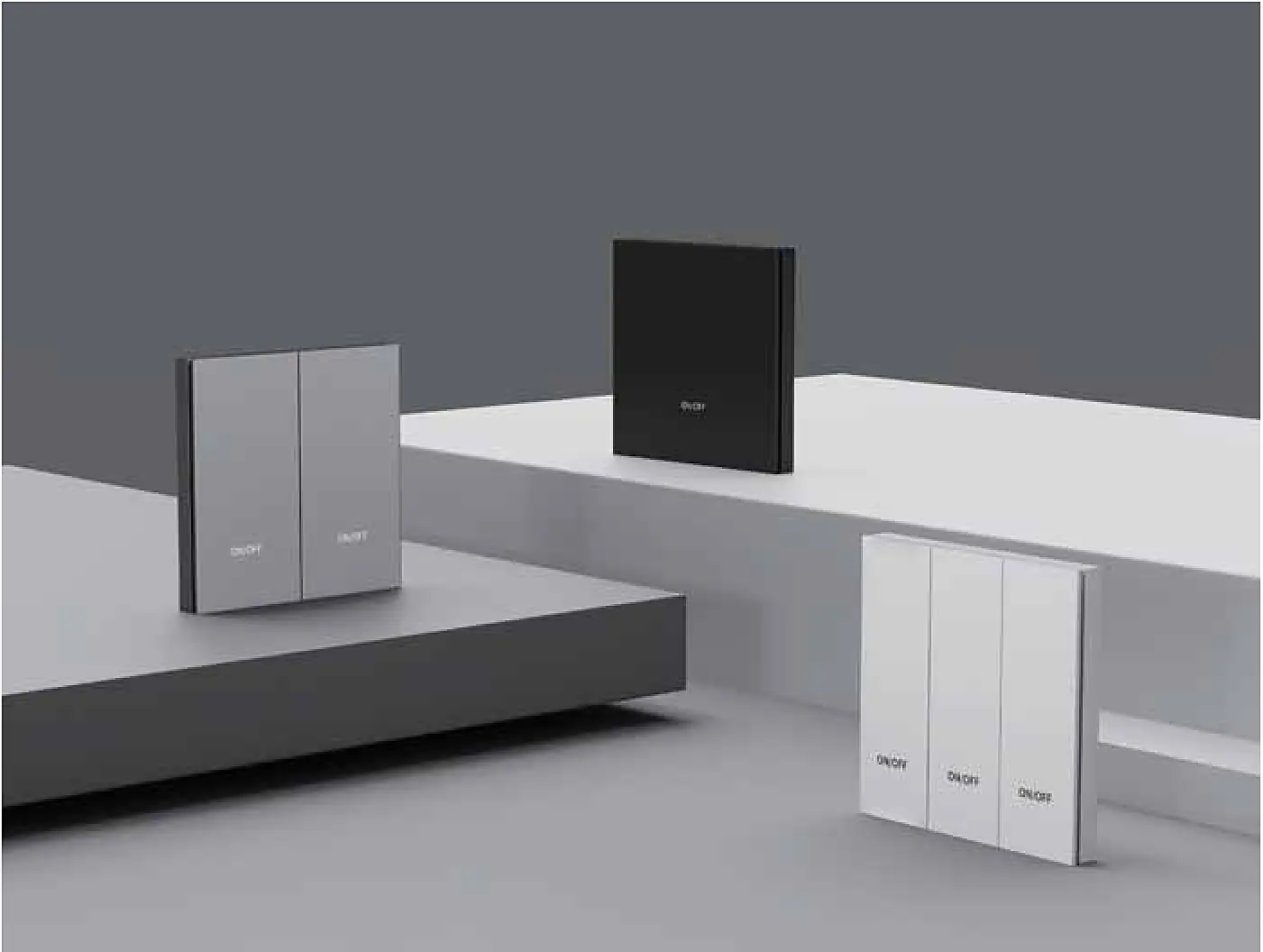
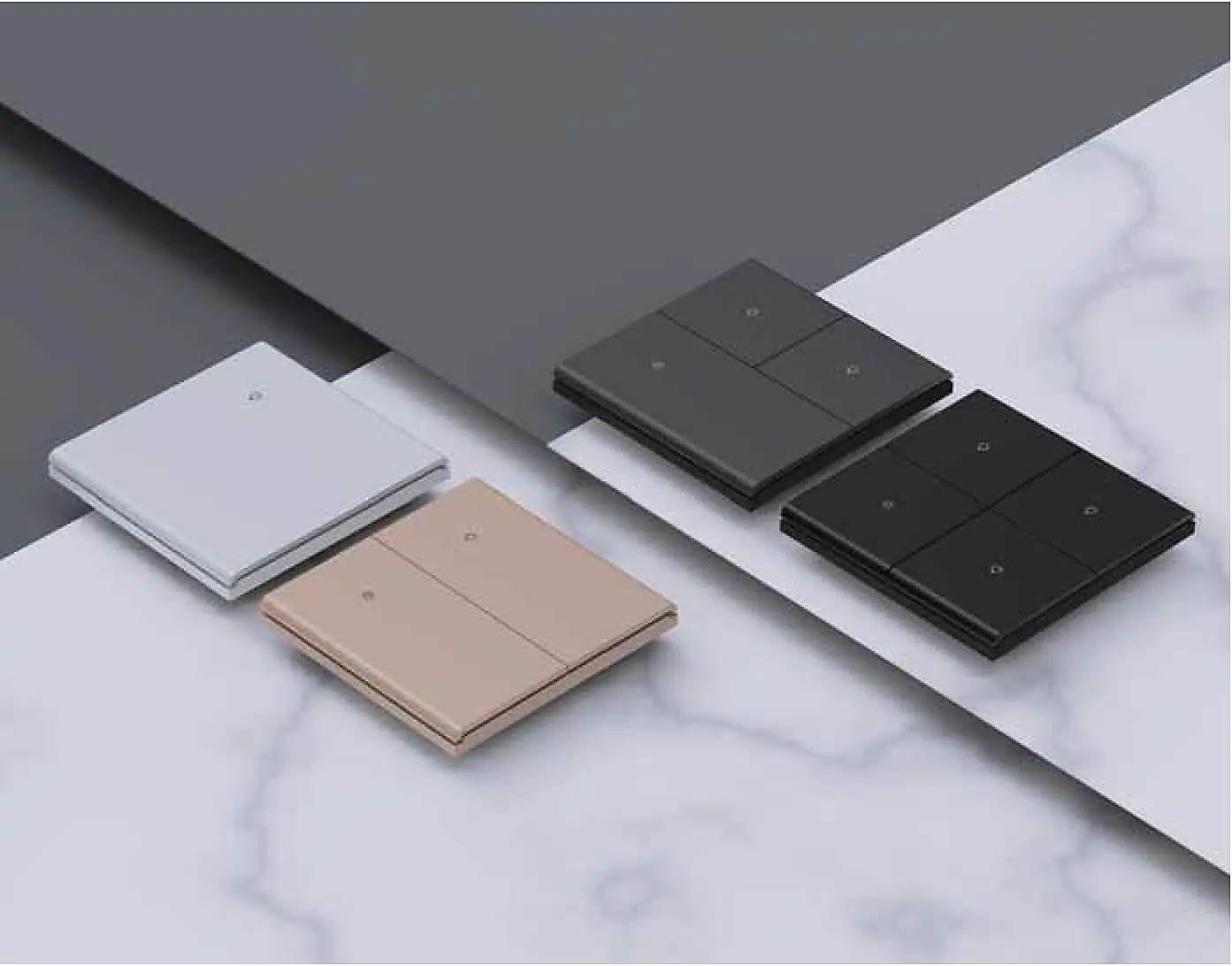
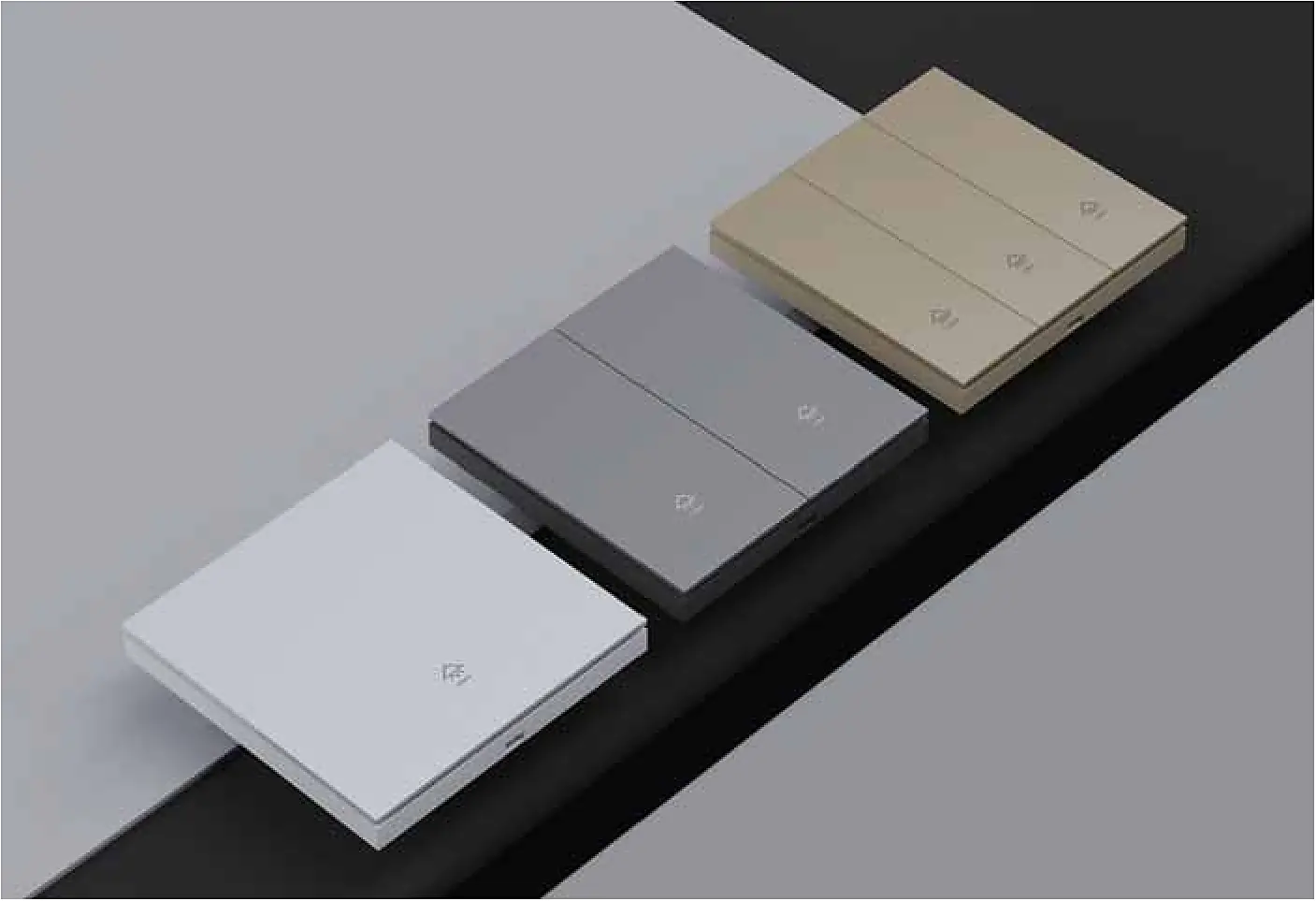
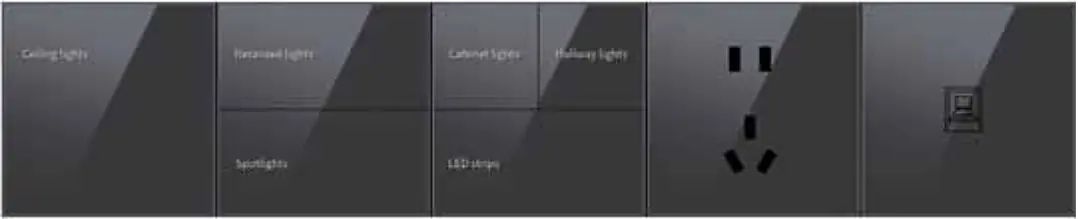
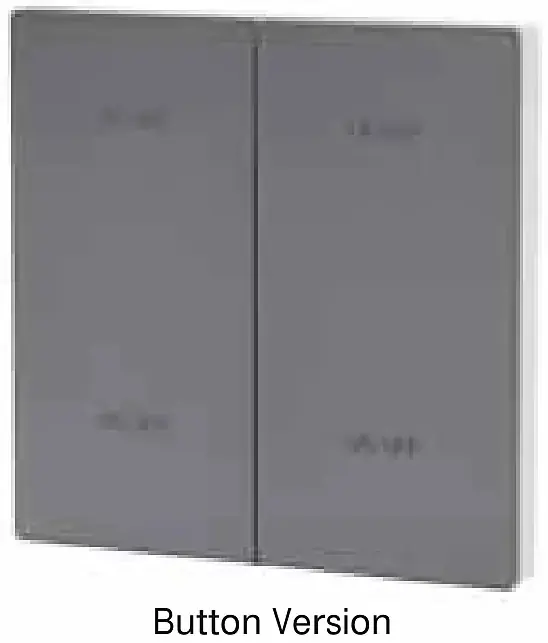
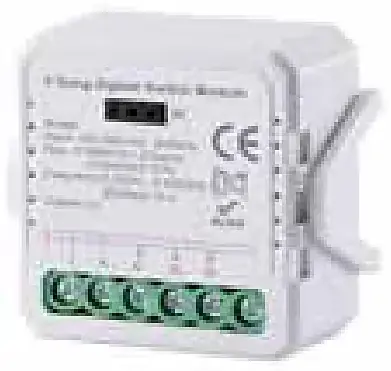
In most cases, no. LOCCA smart switches and sockets fit the standard 86×86 mm flush back box and drop straight into the place of your existing switch, with no wall chasing or new cabling. Where you would rather not change the switch, 1–4 gang relay modules hidden in the ceiling junction box are used instead, and wireless remote switches can be stuck to a wall to create new control points. Extra labour is only involved in applications that need mechanical equipment, such as motorised curtains and underfloor heating.
What determines the price of a home automation system?
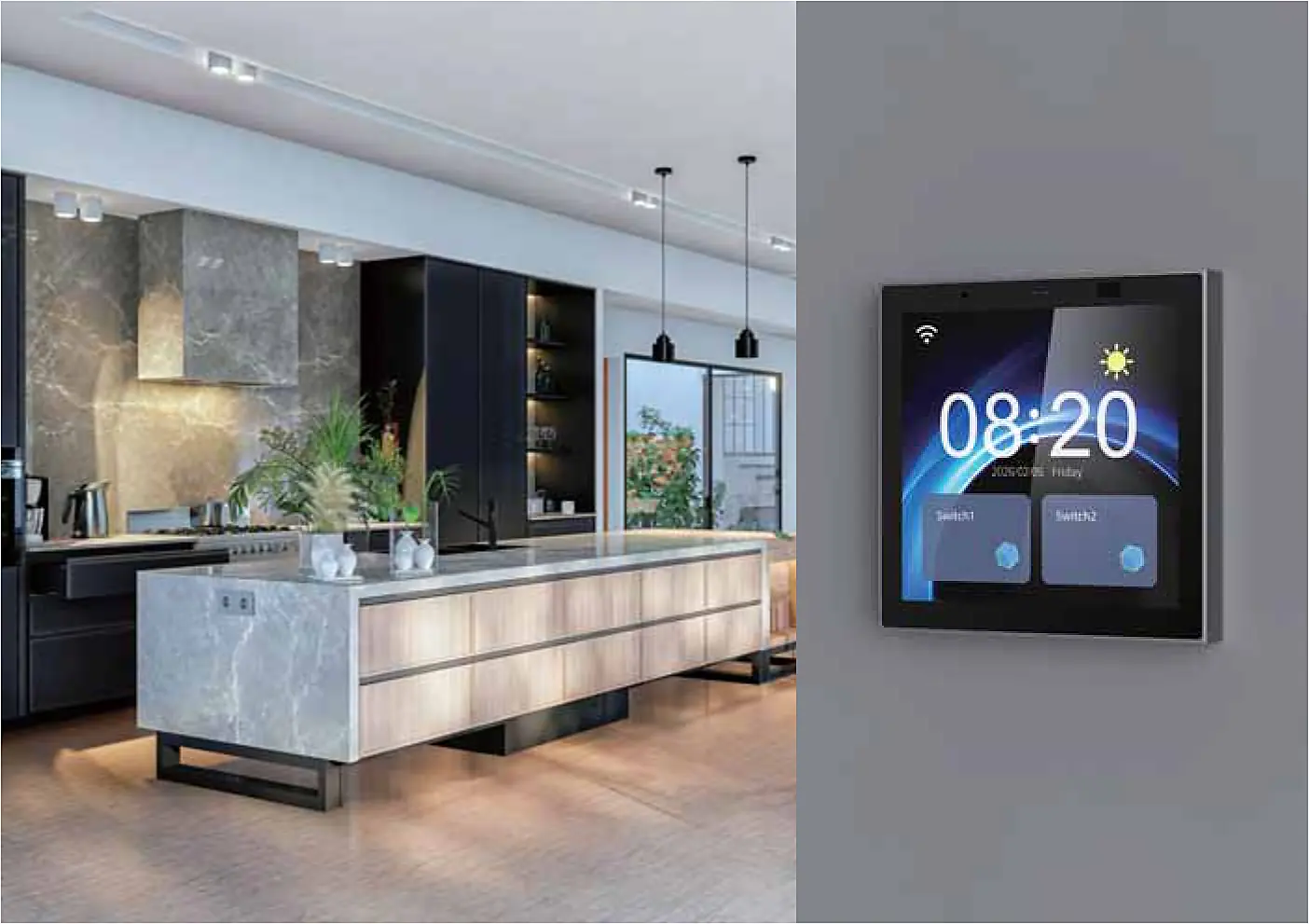
Three factors drive the price: the number of control points (how many switches, sockets and curtains), the product tier chosen (a basic touch switch versus a central panel with a screen) and the depth of automation (lighting only, or a full system including locks, intercom and security). You can start with lighting and socket automation in an apartment, or add intercom and security integration at villa scale. Share your floor plan and a line-by-line quotation will be prepared.
Should I choose Zigbee or Wi-Fi?
Zigbee is a low-power protocol that forms a mesh network: every mains-powered device relays and strengthens the signal, so coverage is not a problem in large homes and your Wi-Fi network is not loaded. Wi-Fi devices connect straight to the router with no gateway required, which is practical for a small number of devices. As a rule of thumb: choose Zigbee if you plan more than 10 devices, Wi-Fi for a small starter installation. Most LOCCA products support both protocols, so the two can be mixed in the same home.
Does the smart home keep working when the internet goes down?
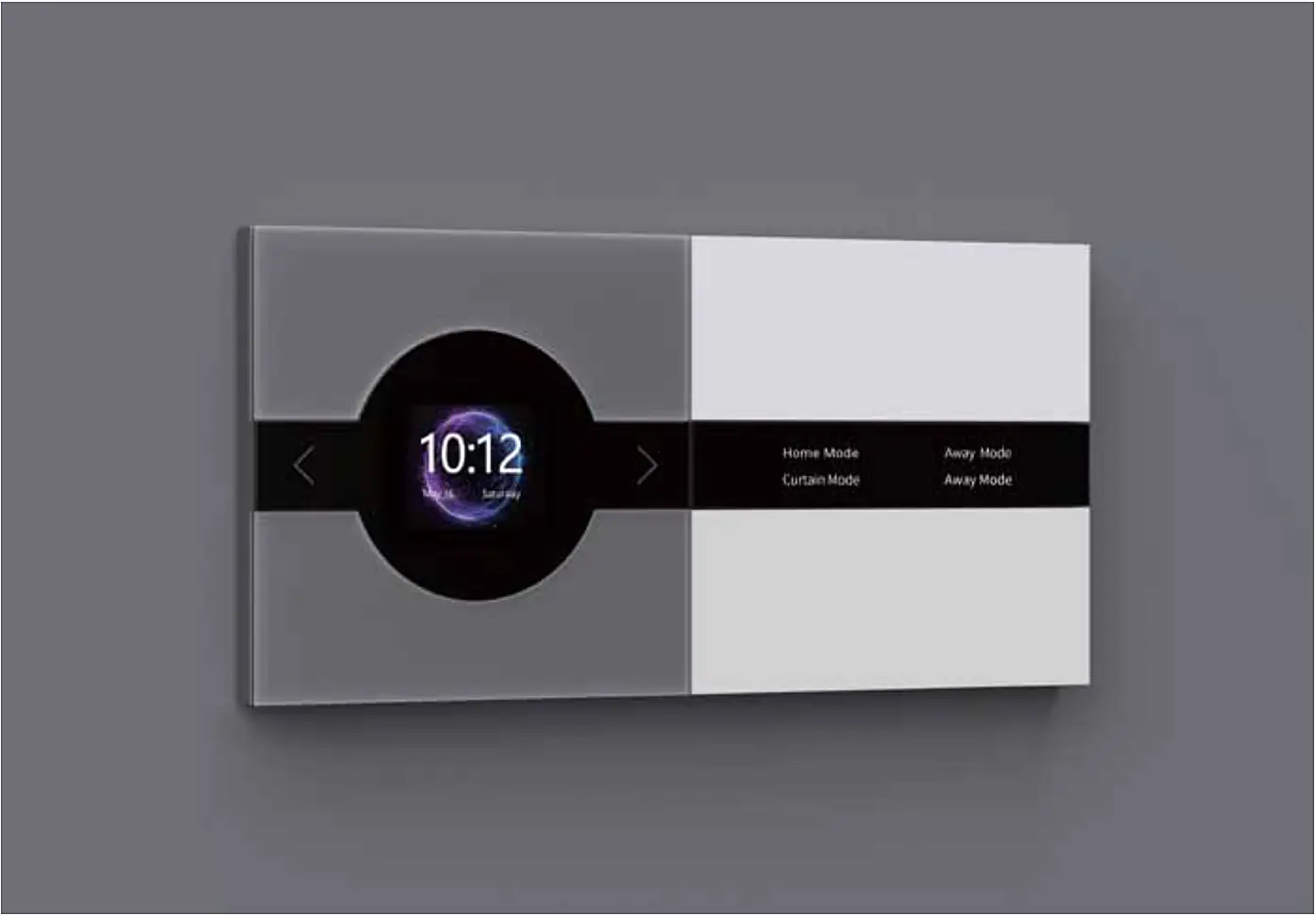
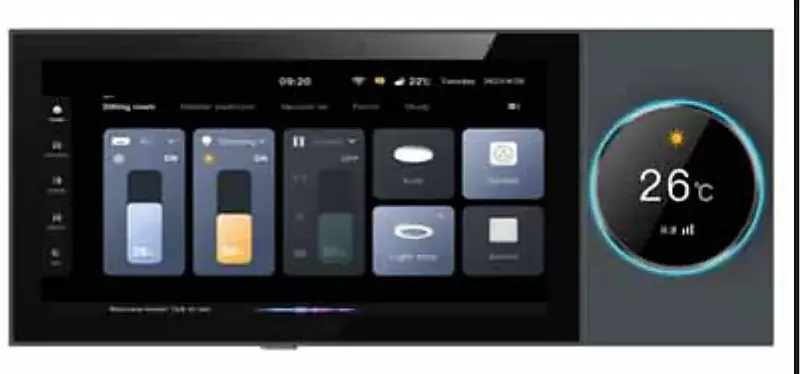
Yes. Switches always keep working physically — you can touch them to turn lights on and off. Central control panels and gateways with edge computing run your defined scenes locally, so sensor triggers and schedules continue without internet. The M7 offline voice switch processes voice commands on the device, so voice control also works offline. The internet is only needed for remote access and notifications when you are away from home.
Do smart switches work on installations without a neutral wire?
In some older buildings, no neutral wire was run to the switch box. The JD1 push button series is offered in both neutral and no-neutral versions, so it can be used on those installations. Because very low-power LED lamps can flicker on no-neutral models, it is worth mentioning the fitting type during the survey. Alternatively, a relay module can be placed in the ceiling junction box where the neutral is available.
Which voice assistants are supported?
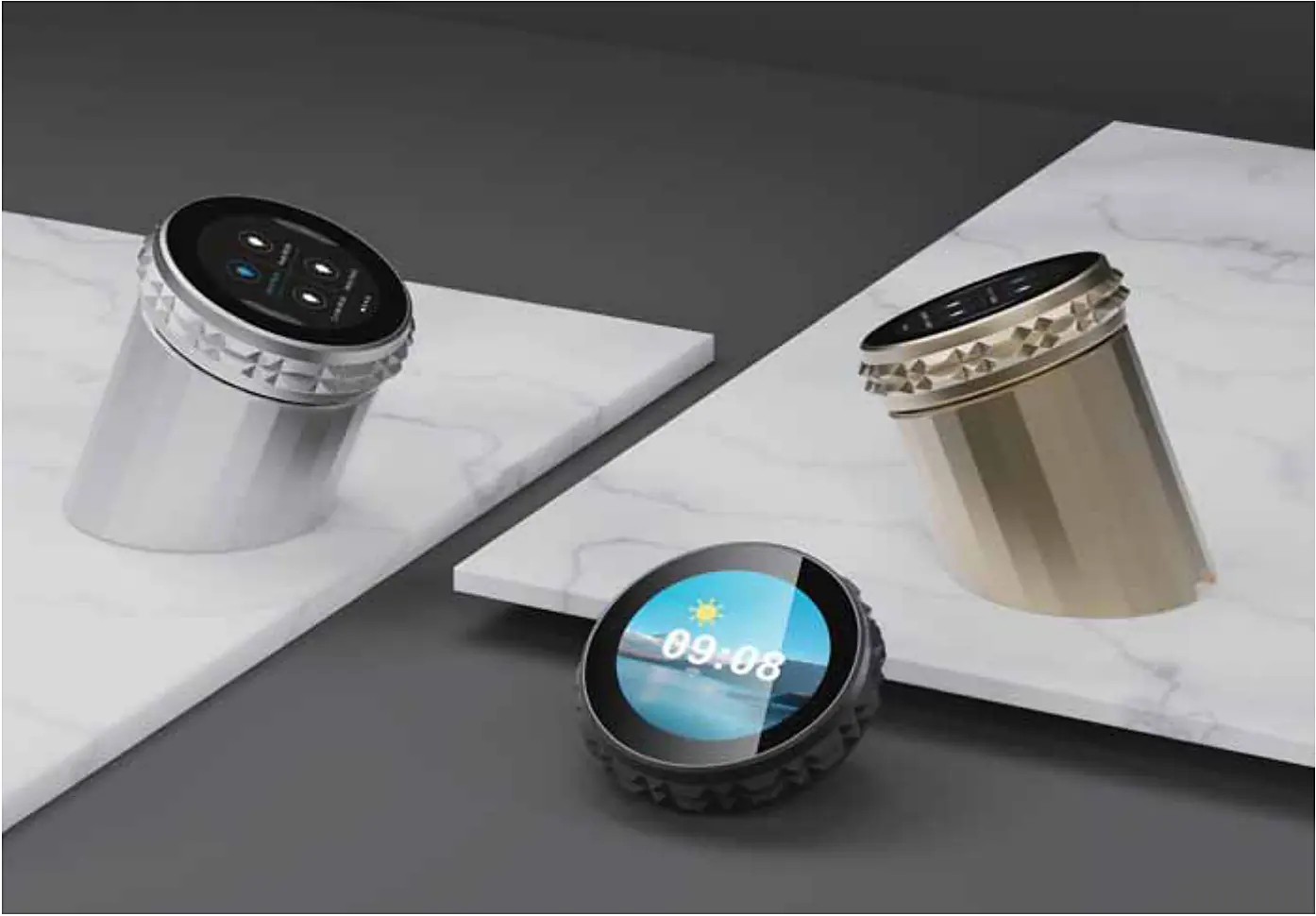
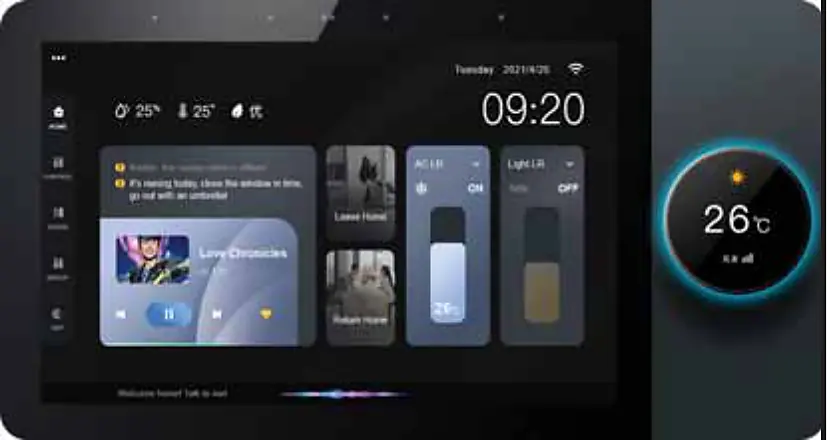
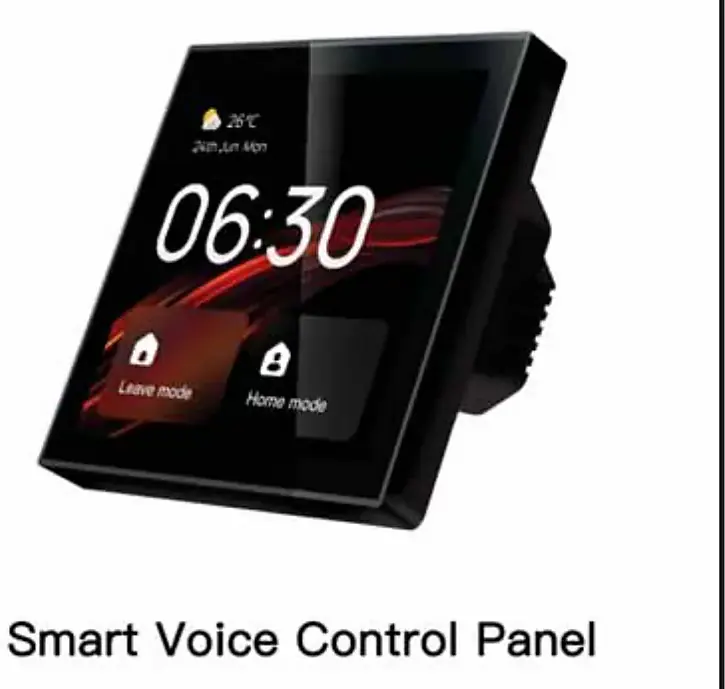
The system works with Amazon Alexa and Google Assistant. The TPP01-EU central control panel has built-in Alexa voice control and supports English, Spanish, German and French commands. The M7 offline voice switch and the desktop rotary switch process voice commands on the device without connecting to the cloud. The Xiaozhi speaker series can also be used for voice control and scene triggering.
How many gateways does a home of a given size need?
Thanks to the Zigbee mesh, one gateway is usually enough for an average apartment: every mains-powered device relays the signal and extends the range. The dual-mode antenna gateway offers up to 250 m of Zigbee range in open space, although reinforced concrete walls shorten that noticeably. In multi-storey villas and buildings with thick structural walls, one gateway per floor or the ceiling-mounted 360° model is recommended. The exact plan is made during the survey.
Can I bring my existing air conditioner and television into the system?
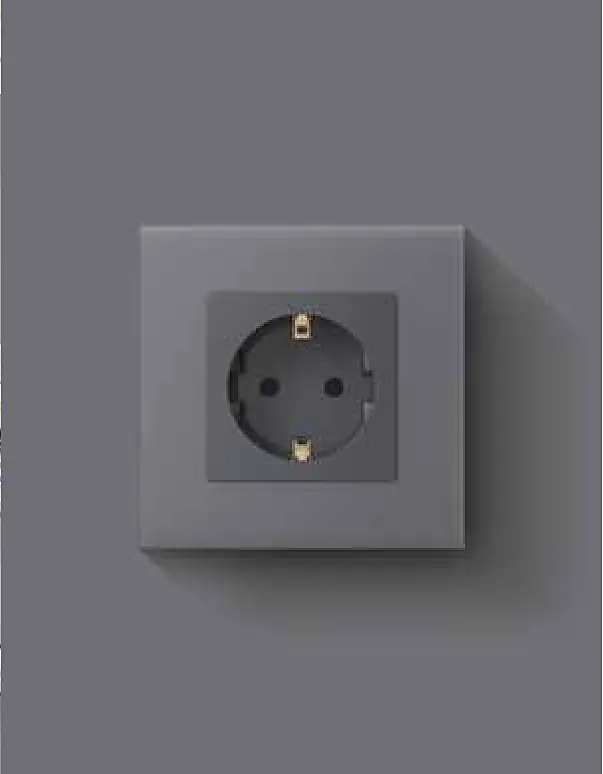
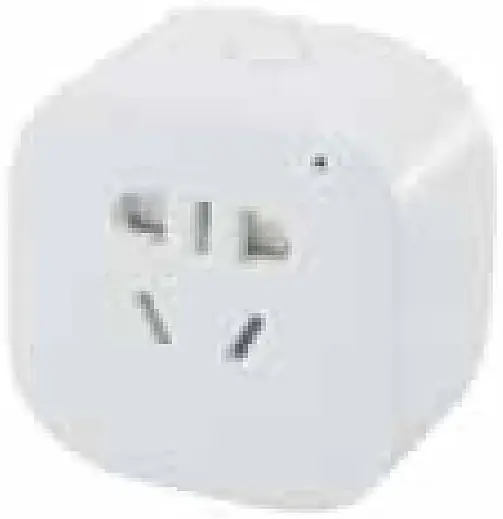
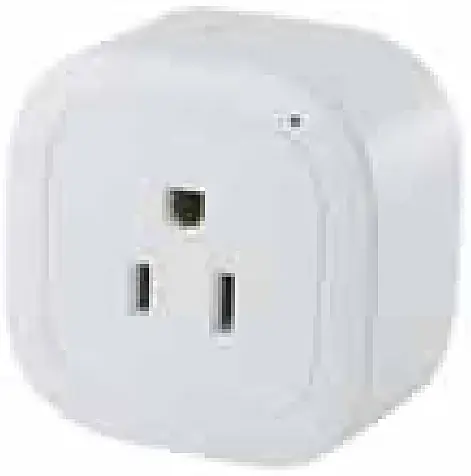
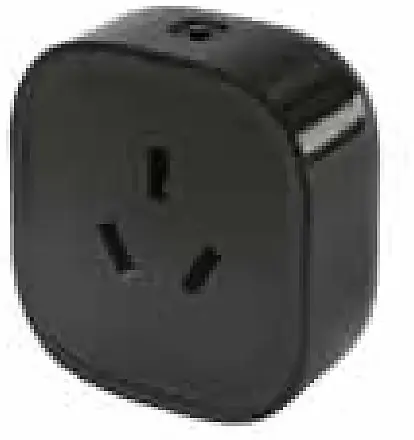
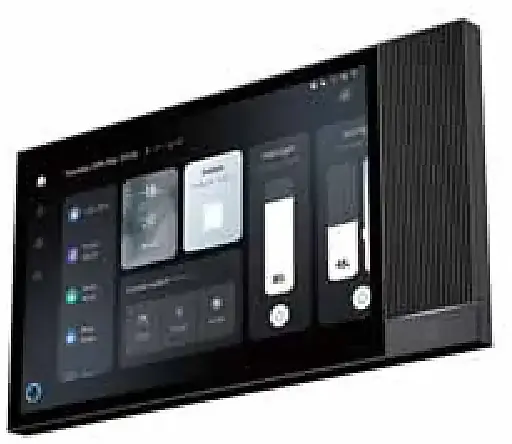
Yes. Remote-controlled appliances such as air conditioners, televisions and audio systems are added through an infrared (IR) control hub, with no need to replace the appliance. The screen-and-button smart panel has a built-in infrared transmitter and can directly control 12 types of IR device. For appliances without a remote, a smart socket or 16 A air conditioner plug provides on/off switching and energy tracking.
What certifications do the products carry and how long is the warranty?
The smart switch, socket, dimmer and thermostat series are CE and RoHS certified. Switch series use a brand-grade HONGFA relay with 16 A switching capacity and up to 100,000 electrical operations. Products carry a 2-year warranty covering faulty product replacement and technical support.
Can I expand the system later?
Yes, the system is modular. You can start with a single room or with lighting automation only, then add curtains, thermostats, door locks, intercom and security sensors over time. New devices join the existing gateway and appear in the same app. Because it runs on the Tuya ecosystem, compatible devices from other brands can also be added to the same system.
How is intercom integrated in villa, apartment and estate projects?
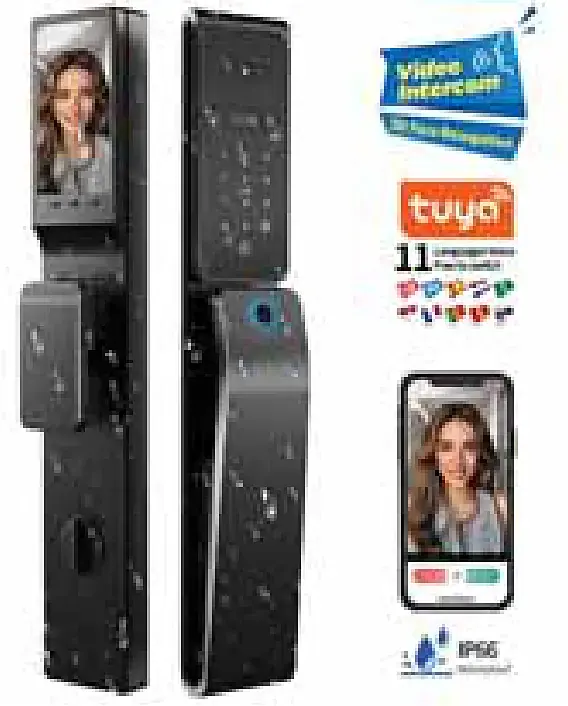
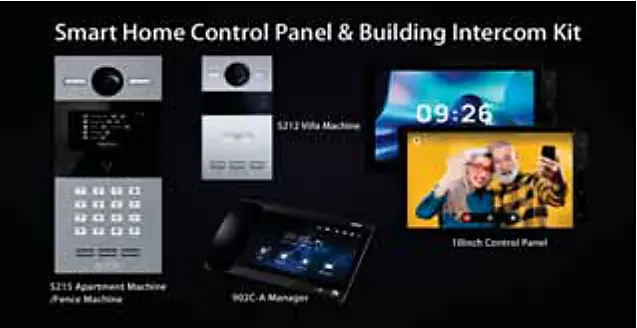
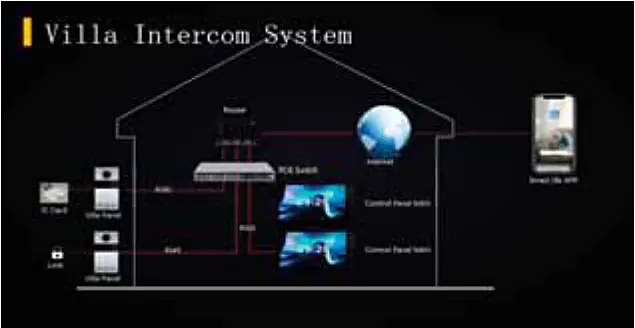
The IP-based intercom system supports the SIP protocol, so it works with both indoor units and the mobile app. Villas use the S212 or S280SD outdoor station; apartment buildings use the PD06 or 280D-B63F keypad main entrance station. For estate management and guard stations, the 902C-A management unit monitors up to 16 IP cameras and sends bulk announcements to residents. All units can be powered over PoE, so no separate power run is needed.